

Origin and History of Gango-ji Temple
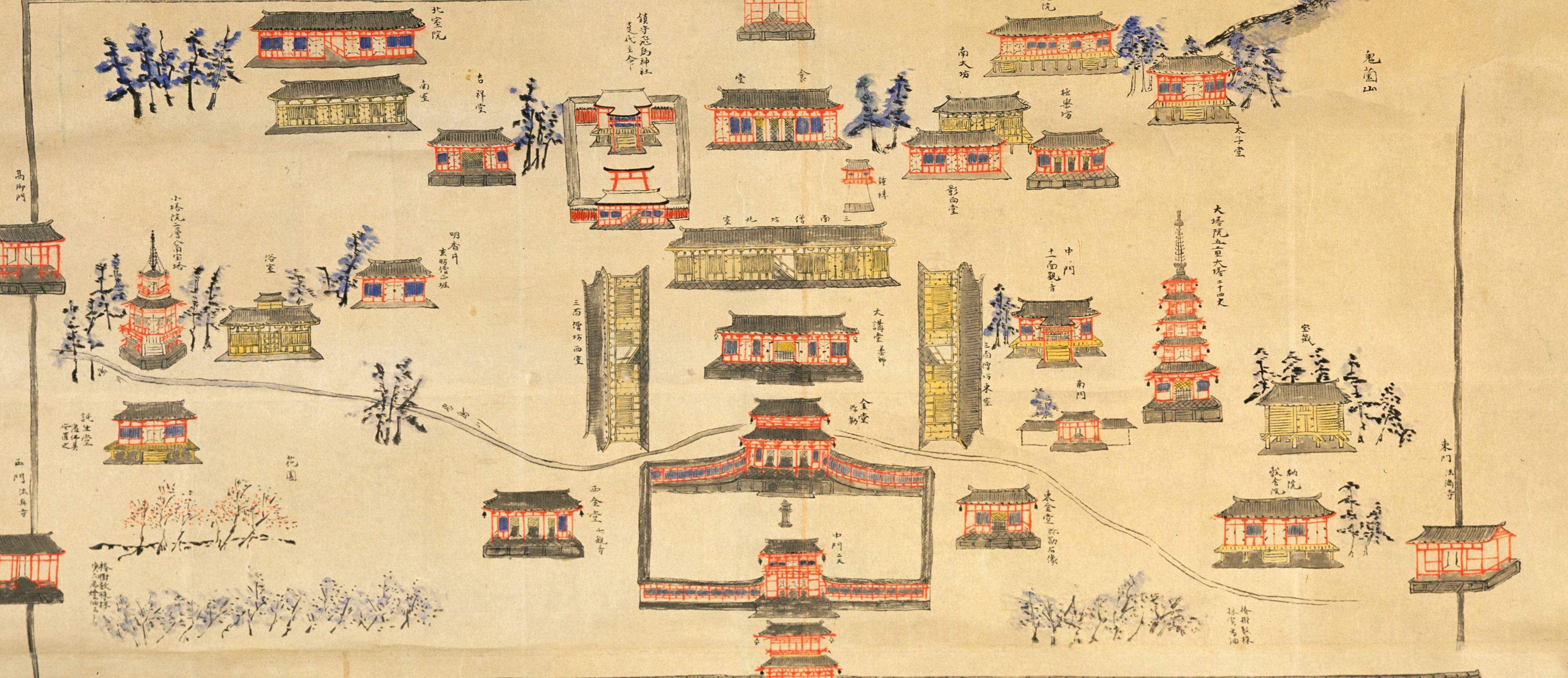
Gango-ji Temple, founded in 718, traces its origins to Hoko-ji (also known as Asuka-dera), one of Japan’s earliest Buddhist temples built in the Asuka region. Hoko-ji was established in 596 by the noble Soga no Umako during the reign of Empress Suiko. As Japan’s first full-scale Buddhist temple complex, it played a central role in introducing and spreading Buddhism under official government support—marking the true beginning of Buddhist culture in Japan.
When the capital was relocated to Heijo-kyo (present-day Nara), Hoko–ji was transferred to this new site and renamed Gango-ji Temple. The temple precinct, including its extensive monastery grounds and auxiliary facilities, stretched over a vast area of approximately 330 meters east to west and 550 meters north to south. It flourished as one of the largest temple complexes in ancient Nara and became renowned as one of the Seven Great Temples of Nanto (Nanto Shichi Daiji).
Gango-ji Pagoda Temple
from the Medieval Period Onward
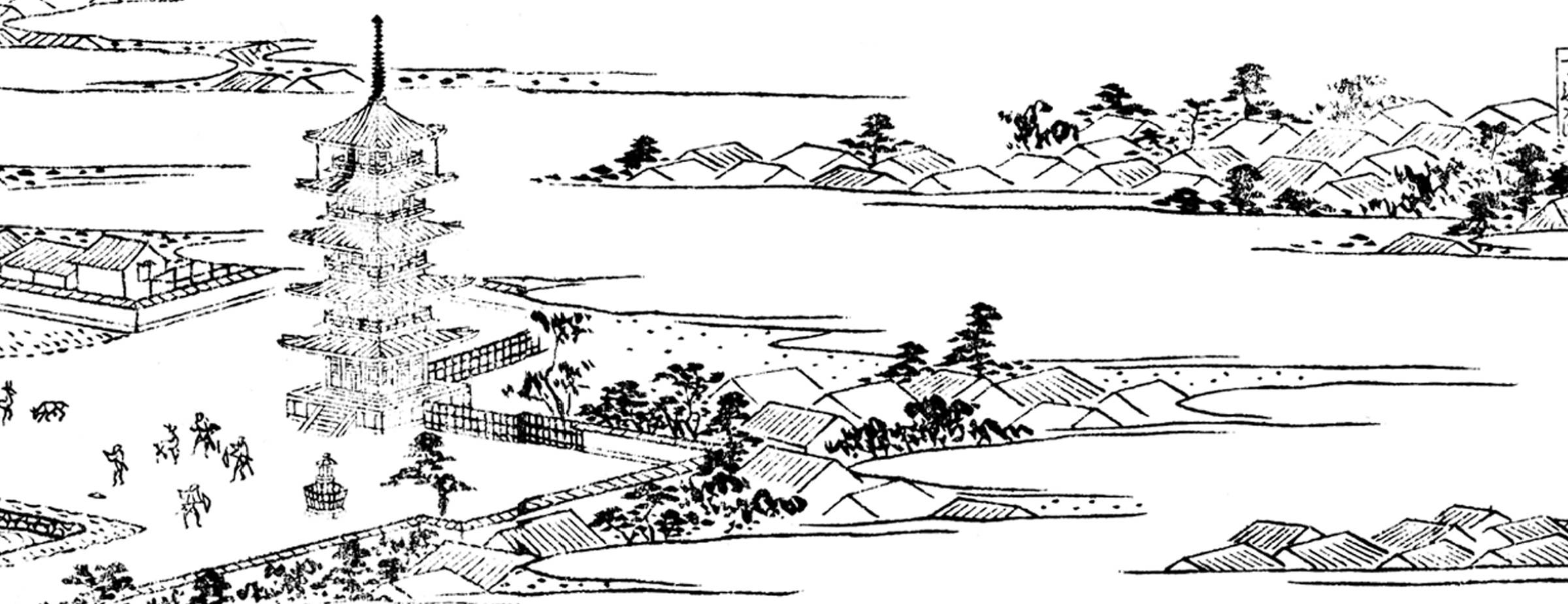
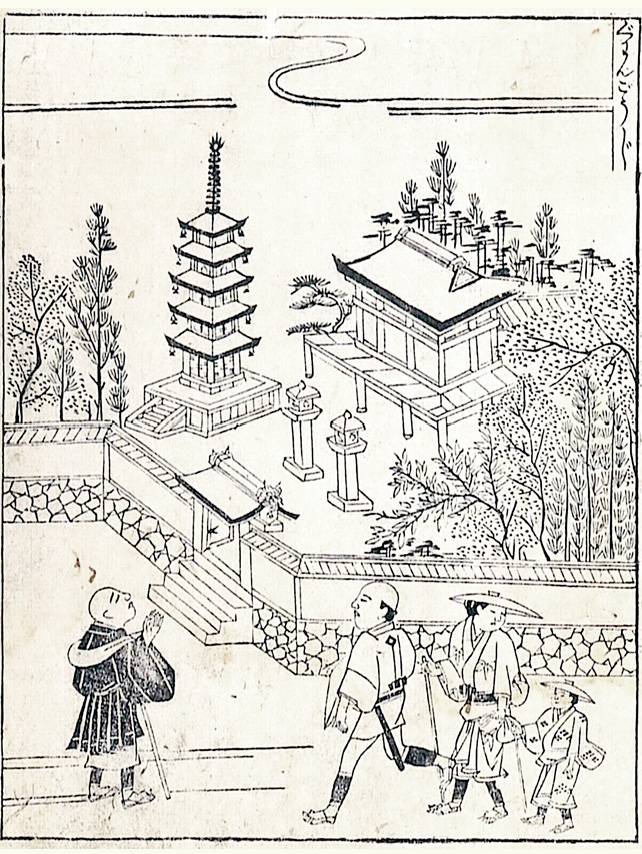
From the medieval era through the Edo period, Gango-ji Pagoda Temple flourished as a major center of Kannon (Bodhisattva of Compassion) worship in Nanto, or ancient Nara. Pilgrims widely practiced visiting both Gango-ji’s Kannon Hall and the Eleven-faced Kannon of Hasedera Temple, creating a popular pilgrimage route that drew worshippers from across Japan.
A well-known episode recorded in Nihon Ryōiki (“Miraculous Tales of Japan”)—the legend of the monk Dōjō at Gango-ji—gave rise to the belief in the Eight Thunder Gods Masks (Hachirajinmen), revered for their power to ward off misfortune. This faith spread widely, further deepening the temple’s spiritual significance among the people.
During the Edo period, Gango-ji’s Five-Story Pagoda became one of Nara’s most famous tourism landmarks, symbolizing the beauty and historical richness of the Naramachi district. Tragically, in 1859, a fire from a nearby neighborhood destroyed both the pagoda and the Kannon Hall, resulting in the loss of the Eleven-faced Kannon statue once enshrined within.
However, many sacred treasures—including the Standing Statue of Yakushi Nyorai (Medicine Buddha, National Treasure) and the Eight Thunder Gods Masks—were miraculously rescued by local residents. Thanks to their devoted efforts, these priceless icons have been preserved and continue to embody the enduring faith and cultural heritage of Gango-ji Temple today.
Revival of Gango-ji Pagoda Temple
in the Shōwa and Reiwa Eras
After the devastating fire that destroyed the Five-Story Pagoda and Kannon Hall, Gango-ji Temple remained without a resident priest for many years. In the early Shōwa period(1930s), however, Venerable Keishin Mizuno, appointed by Tōdaiji Temple, initiated a major restoration project. Under his guidance, the temple grounds were reorganized, and the Main Hall was rebuilt, marking the revival of Gango-ji’s spiritual and cultural presence in Nara.
Following Venerable Keishin’s passing, temple activities gradually declined once again. During this period, several of Gango-ji’s most treasured sacred objects—including the Standing Statue of Yakushi Nyorai (National Treasure) and the Eleven-faced Kannon (Important Cultural Property)—were entrusted to the Nara National Museum for preservation.
In 2023 (Reiwa 5), after another brief interval without a resident priest, Keisei Ikeda, a blood relative of Venerable Keishin, assumed the role of chief priest and began a new phase of temple restoration. His leadership marks a renewed chapter in the modern revival of Gango-ji Temple, continuing its mission to preserve the spirit and traditions of Japan’s ancient Buddhist heritage.
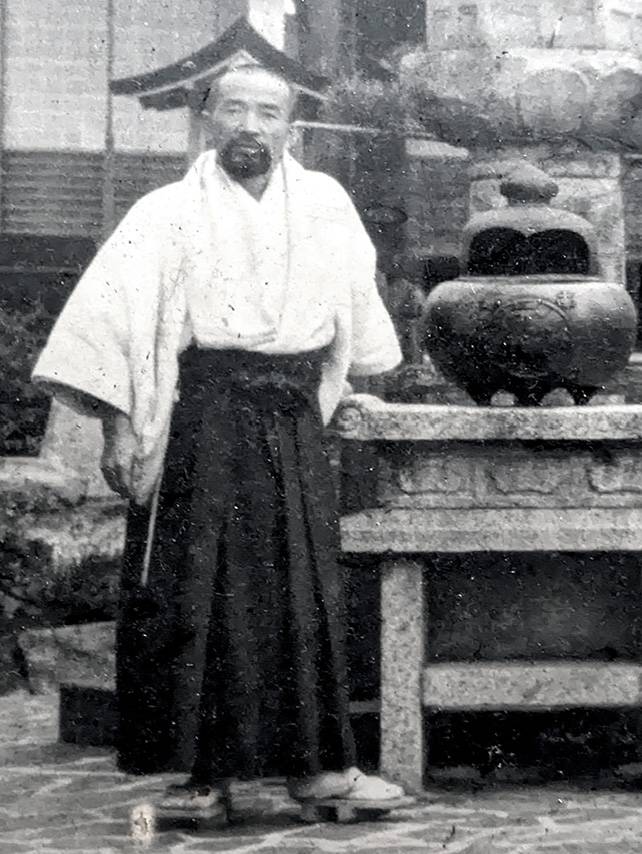
【 Chief PriestKeisei Ikeda 】
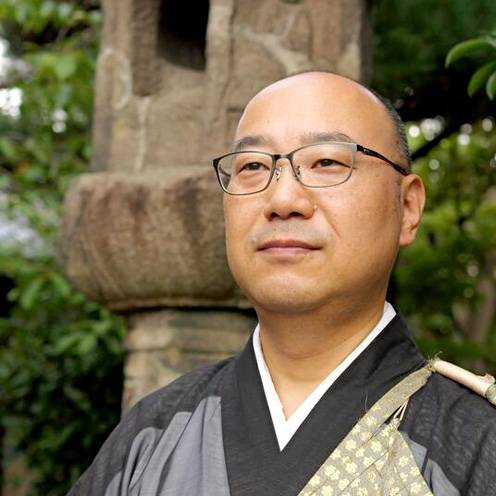
Keisei began his monastic service at Tōdaiji Temple in 2007, where he took part in the Shunie (Omizutori) ceremony, one of Japan’s oldest and most revered Buddhist rituals.
In 2016, he was appointed Chief Priest of Tsuge Kinryūji Temple, further deepening his commitment to the practice and preservation of Buddhist tradition. To date, he has served as a Rengyōshu monk in the Shunie ceremony more than fifteen times.
In 2024, Keisei assumed the concurrent post of Chief Priest of Gango-ji Pagoda Temple, advancing its revival and stewardship in the modern age.
Notably, he is a relative of Venerable Mizuno Keishin, the former chief priest who led the temple’s major restoration in the early Shōwa period—specifically, the great-uncle of his grandfather.